Application engineering brief
Battery Module Expansion Management
Manage swelling, preload and long-term force at cell stack, end plate and module-side interfaces.
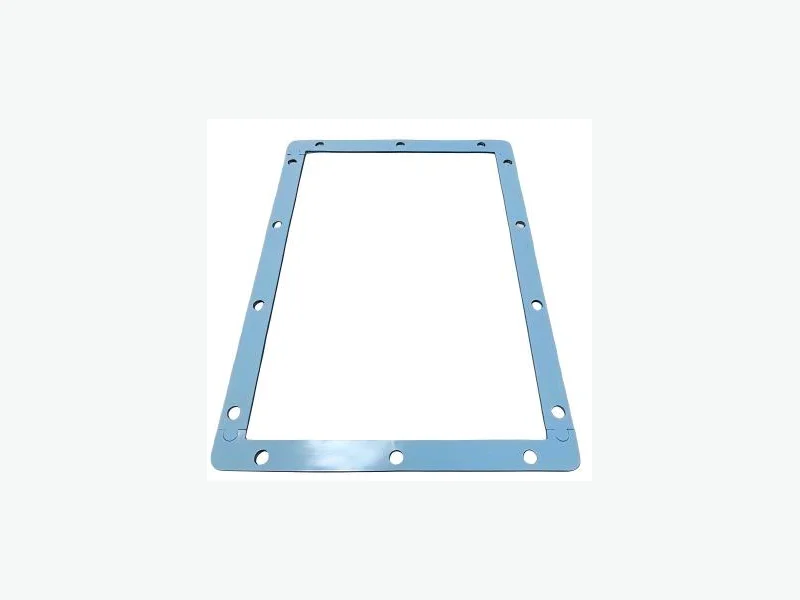
The engineering problem
Start with the installed interface.
Module constraint converts cell growth into force. Pad behavior, structural stiffness and tolerance must be solved together.
Our review links the cell stack and restraint concept to compliant components, end-interface parts and assembly-ready converted geometry.
Position and function
Where this component works—and what it must do
- Cell stack
- Module end plate
- Side rail
- Cell-to-frame interface
- Module-to-pack cushion
- Distribute preload
- Accommodate growth
- Reduce local pressure concentration
- Maintain placement through assembly
Selection logic
Decision data customers and engineers expect
| Decision dimension | What must be defined |
|---|---|
| Constraint | Define end-plate and frame stiffness with allowable deflection. |
| Load path | Map where the pad carries force and where cutouts interrupt it. |
| Lifetime | Combine cell growth with pad relaxation and temperature history. |
| Tolerance | Calculate part thickness around the full stack-up. |
Data required
Send these inputs for a useful first review
- Module section and stack count
- Constraint and preload strategy
- Cell growth range
- Allowable force and deflection
- Pad location and production volume
Continue the evaluation
Related engineering pathways
Frequently asked questions
Clear answers before sampling
Is a softer pad always safer?
No. It may lower pressure but permit excessive movement or lose support after aging.
Can one pressure value define the module?
The design normally needs a pressure range across tolerances, temperature and life.
How are samples evaluated?
Fit, compression and handling can be checked first; life behavior requires agreed conditioning and measurement.
Drawing-led response