Rotary die cutting
Roll-fed precision converting for repeatable high-volume components and supported laminated constructions.
DIRECT MANUFACTURING
From prototype parts to controlled production, we convert flexible materials and engineered stacks around the drawing, battery position and validation plan.
Review a battery drawing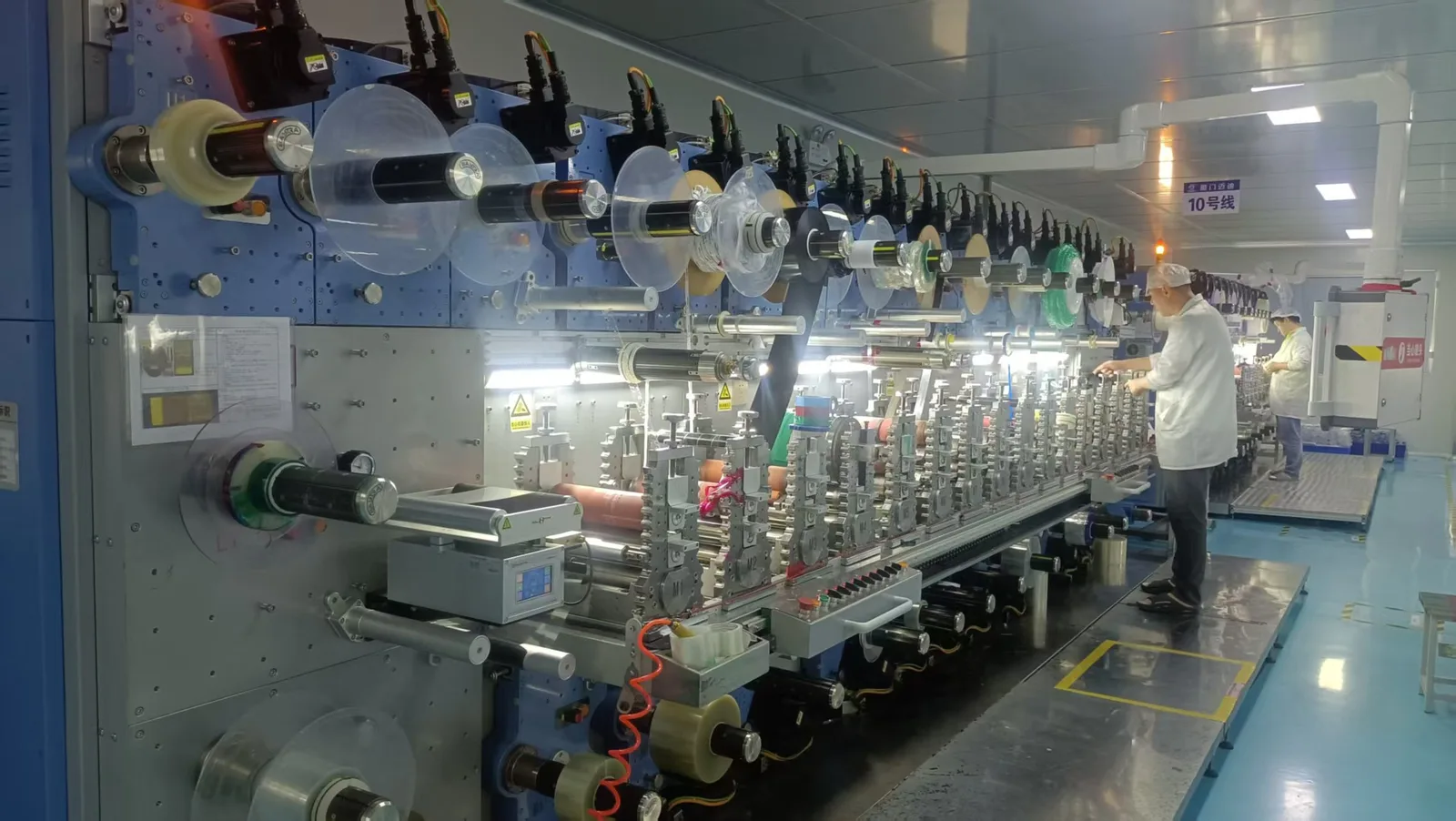
PRODUCTION CAPABILITY
Machine count is only one input. Part stability depends on the material behavior, tool design, web or sheet handling, converted stack and inspection plan.
Roll-fed precision converting for repeatable high-volume components and supported laminated constructions.
Flexible production for prototypes, complex geometries, thicker stacks and program-scale ramp-up.
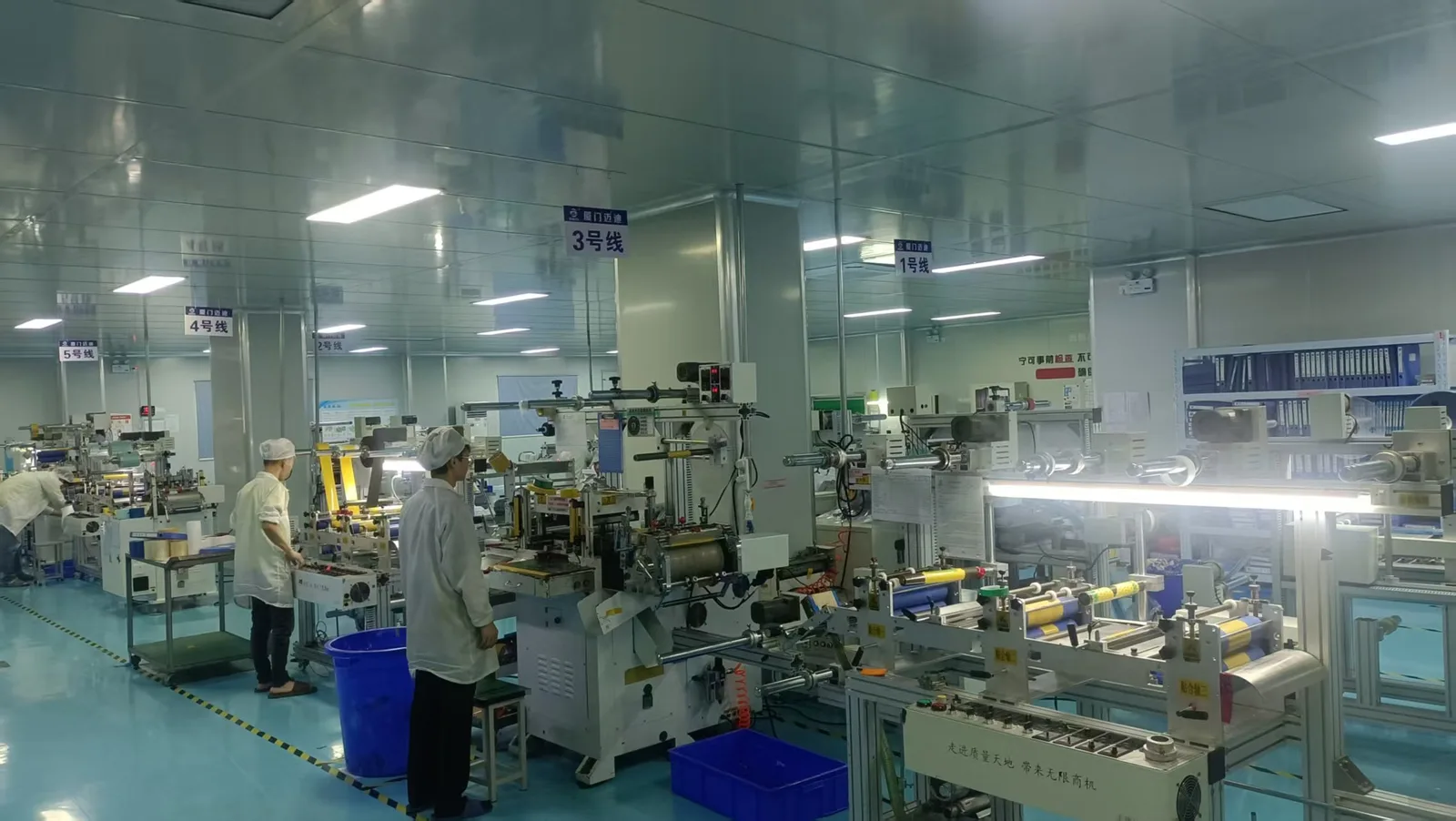
Clean production environments supporting material handling, converting, inspection and packaging controls.
Integrated manufacturing footprint for sampling, production, inspection and finished-goods handling.
CORE PROCESSES
CONTROLLED FLOW
We identify datum, tolerances, critical edges, adhesive zones, release-liner needs and assembly direction.
The selected family, grade, thickness and supplier lot are tied to the controlled project definition.
Tooling, nesting, lamination sequence and inspection points are developed around the converted construction.
Samples establish geometry and handling before validation or volume-release decisions.
Approved drawings, revision status and agreed inspections guide routine production.
CAPABILITY BOUNDARY
Material, thickness, width, geometry, tolerance, adhesive, liner, packaging and annual volume all affect the feasible process. Submit the drawing for a manufacturing review before treating a range as released capability.
See quality controls